No products in the cart.
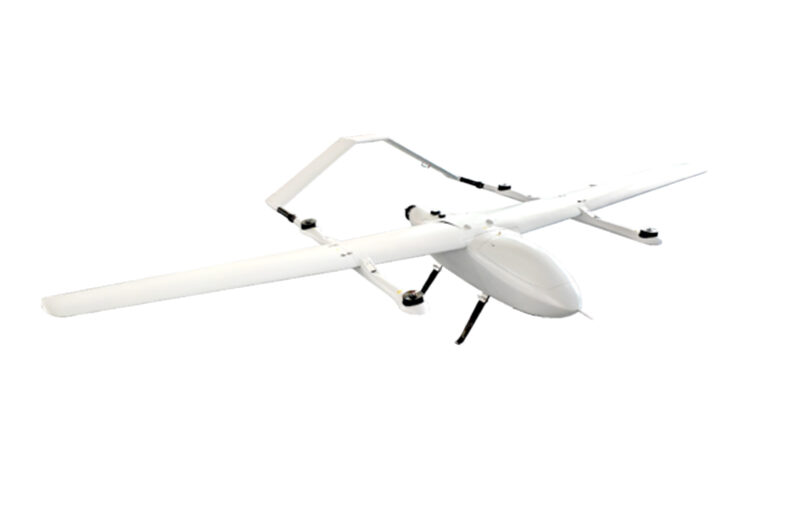
Chinese drones are widely used across global commercial and government markets for mapping, surveying, infrastructure inspection, public safety, and emergency response. Their popularity comes from a combination of cost efficiency, strong hardware capability, rapid product innovation, high-resolution imaging, RTK positioning, LiDAR integration, thermal sensors, automated flight planning, and mature drone ecosystems. In many industries, Chinese drones have become practical tools for collecting accurate aerial data, reducing manual labor, improving worker safety, and accelerating decision-making in complex environments.
Mapping and surveying teams use Chinese drones to produce orthomosaic maps, 3D models, digital elevation models, topographic surveys, and construction site measurements. Infrastructure owners use them to inspect power lines, bridges, solar farms, wind turbines, pipelines, roads, railways, towers, dams, and industrial facilities. Public safety agencies use drones for crowd monitoring, search operations, traffic incidents, crime scene documentation, fire support, and law enforcement situational awareness. Emergency response teams use drones after floods, earthquakes, landslides, hurricanes, wildfires, explosions, and other disasters to assess damage, locate victims, deliver small supplies, and support rescue planning.
This article explains how Chinese drones are used in these four major fields, why they are valuable, what sensors and workflows are involved, and what limitations organizations need to consider before adoption.
How are Chinese drones used in mapping and surveying?
Chinese drones are used in mapping and surveying to collect aerial images, LiDAR point clouds, GPS data, and 3D spatial information for creating accurate maps, models, measurements, and digital records of land, buildings, construction sites, mines, farms, roads, and infrastructure projects. They help surveyors collect data faster than traditional ground methods while reducing field risks and improving visual documentation.
Mapping and surveying is one of the most mature commercial applications for Chinese drones. Companies, engineering firms, government agencies, mining operators, construction businesses, and land management organizations use drones to capture high-resolution aerial data from above. This data is then processed into maps, models, measurements, and reports.
Chinese drones used in mapping and surveying usually include features such as RTK positioning, PPK correction, high-resolution cameras, mechanical shutters, LiDAR compatibility, terrain-following flight, waypoint planning, automated mission routes, obstacle sensing, and cloud-based data management. These features allow survey teams to capture consistent and georeferenced data over large areas.
Drone photogrammetry for map creation
One of the most common mapping workflows is photogrammetry. In this process, a drone flies over an area and captures many overlapping images. Specialized software then stitches these images together to create accurate outputs such as orthomosaic maps, 3D models, contour maps, point clouds, and digital surface models.
Chinese drones are especially popular in photogrammetry because many models support automated flight routes. A surveyor can define the area to be mapped, set the flight altitude, choose the required image overlap, and let the drone follow a grid pattern automatically. The drone captures hundreds or thousands of images with consistent spacing and camera angles.
Photogrammetry is used for:
- Land surveying
- Construction progress documentation
- Road planning
- Mining volume measurement
- Urban planning
- Agricultural land mapping
- Property development
- Environmental monitoring
- Quarry management
- Coastal monitoring
- Roof measurement
- Real estate development
For many projects, photogrammetry drones reduce the need for surveyors to walk every part of a site. This is particularly useful in difficult terrain, hazardous construction zones, steep slopes, mining pits, wetlands, and disaster-affected areas.
RTK and PPK positioning for survey accuracy
RTK and PPK are important technologies in drone surveying. RTK stands for Real-Time Kinematic positioning, while PPK stands for Post-Processed Kinematic positioning. Both methods improve GPS accuracy by correcting satellite positioning errors.
Many Chinese mapping drones include RTK modules or support external GNSS systems. With RTK, the drone receives correction data during flight, allowing it to geotag images with high precision. With PPK, positioning corrections are applied after the flight during data processing.
These technologies help reduce the number of ground control points needed on a site. Ground control points are physical markers measured with survey equipment and used to improve map accuracy. Although ground control points are still important for many professional survey projects, RTK and PPK drones can make mapping workflows faster and more efficient.
Survey-grade drone mapping often combines:
- RTK-enabled drone
- Ground control points
- Checkpoints
- Base station or network correction service
- Photogrammetry software
- Coordinate system setup
- Quality control measurements
Chinese drones are commonly used in these workflows because they offer practical combinations of price, performance, camera quality, and positioning accuracy.
LiDAR mapping with Chinese drones
LiDAR mapping is another important surveying application. LiDAR stands for Light Detection and Ranging. A LiDAR sensor emits laser pulses and measures the time it takes for the light to return after hitting objects. This creates a detailed 3D point cloud of terrain, vegetation, buildings, roads, power lines, and other features.
Chinese drones can be equipped with LiDAR payloads for advanced mapping. LiDAR is especially useful when surveyors need to map areas with vegetation because some laser pulses can penetrate gaps in tree canopies and reach the ground. This makes LiDAR valuable for forestry, transmission corridor mapping, mining, road design, landslide assessment, and flood modeling.
LiDAR drone applications include:
- Forest terrain mapping
- Power line corridor mapping
- Road and railway surveys
- Stockpile and quarry measurement
- Landslide and slope monitoring
- Digital terrain model creation
- Urban 3D modeling
- Riverbank and floodplain mapping
- Infrastructure corridor inspection
Compared with standard image mapping, LiDAR can provide more reliable elevation data in vegetated or complex environments. However, LiDAR systems are usually more expensive and require more technical expertise.
Topographic surveying and digital elevation models
Chinese drones are used to create topographic surveys and digital elevation models. A topographic survey shows the shape, elevation, and features of the land. A digital elevation model is a digital representation of terrain height.
These outputs are useful for engineering design, drainage planning, road construction, land development, environmental studies, and flood risk analysis. Surveyors can use drone-generated elevation data to understand slopes, cut-and-fill requirements, water flow, and site conditions.
In construction and civil engineering, drone topographic surveys help teams plan earthwork and monitor site changes over time. For example, a construction company can fly a drone weekly and compare elevation models to measure how much soil has been moved. This is useful for billing, project management, and quality control.
Construction mapping and progress tracking
Construction companies use Chinese drones to monitor job sites, compare progress against plans, document completed work, and communicate with stakeholders. Aerial maps provide a clear view of the entire construction site, including roads, materials, equipment, foundations, structural work, storage areas, and safety conditions.
Drone mapping helps construction teams answer questions such as:
- How much earthwork has been completed?
- Are materials stored in the correct location?
- Is the project progressing according to schedule?
- Are there safety risks visible from above?
- Have subcontractors completed their assigned areas?
- How has the site changed since last week?
- Are drainage systems working correctly?
- Are roads, access points, and staging areas properly arranged?
Chinese drones are widely used in construction because they can capture repeatable site data at low cost. A project manager can use automated flight paths to capture the same area from the same altitude every week. This creates a visual timeline of the project.
Mining, quarry, and stockpile measurement
Mining and quarry companies use Chinese drones for pit mapping, stockpile volume calculation, haul road monitoring, slope inspection, environmental documentation, and safety planning. Traditional mine surveying can expose workers to dangerous terrain, heavy machinery, unstable slopes, and dust. Drones help reduce those risks.
Stockpile measurement is a major use case. A drone captures images of a stockpile, and software calculates its volume. This helps companies manage inventory, production, sales, and financial reporting. Drone-based stockpile measurements can be repeated frequently, making it easier to track changes over time.
Drones are also useful for monitoring mine walls and slopes. If a slope shows signs of movement, cracking, or erosion, the drone data can help engineers assess risk.
Mapping and surveying table
| Mapping or Surveying Use Case | Chinese Drone Equipment Used | Typical Output | Main Benefit |
|---|---|---|---|
| Land surveying | RTK drone, RGB camera, ground control points | Orthomosaic map, boundary data, 3D model | Faster site data collection |
| Construction mapping | Camera drone, automated flight planning software | Progress maps, 3D site model, documentation | Better project tracking |
| Topographic survey | RTK/PPK drone, photogrammetry software | Contours, elevation model, terrain data | Supports engineering design |
| LiDAR mapping | Drone with LiDAR payload | 3D point cloud, digital terrain model | Works well in vegetation and complex terrain |
| Mining survey | Mapping drone, LiDAR or RGB camera | Pit model, stockpile volume, slope data | Safer and more frequent measurements |
| Road planning | VTOL drone, RTK system | Corridor map, terrain model | Efficient long-distance route survey |
| Agricultural mapping | Multispectral or RGB drone | Crop maps, field boundaries, plant health maps | Better farm planning |
| Environmental mapping | Camera drone, thermal or multispectral sensor | Habitat maps, erosion maps, coastline data | Lower-cost environmental monitoring |
| Urban modeling | High-resolution camera drone, 3D software | Building models, city maps | Supports planning and development |
| Disaster mapping | Camera drone, thermal drone | Damage maps, updated terrain data | Rapid situational awareness |
How are Chinese drones used in infrastructure inspection?
Chinese drones are used in infrastructure inspection to examine power lines, bridges, roads, railways, pipelines, solar farms, wind turbines, telecom towers, dams, buildings, ports, and industrial facilities. They collect high-resolution images, thermal data, videos, LiDAR scans, and sensor readings that help engineers detect defects, plan maintenance, reduce downtime, and improve worker safety.
Infrastructure inspection is one of the strongest industrial markets for Chinese drones. Many infrastructure assets are tall, remote, dangerous, or difficult to access. Traditional inspection methods often require workers to climb towers, use scaffolding, shut down equipment, rent helicopters, or access hazardous locations. Drones can inspect many of these assets from the air while keeping workers on the ground.
Power line inspection
Power utilities use Chinese drones to inspect transmission lines, distribution lines, towers, insulators, conductors, spacers, clamps, vegetation encroachment, and right-of-way corridors. Drones equipped with zoom cameras can capture detailed images of electrical components without requiring technicians to climb towers.
Thermal cameras can help detect abnormal heating in electrical equipment. LiDAR can be used to map vegetation near power lines and measure clearance distances. This is important because trees growing too close to lines can cause outages, fires, and safety hazards.
Power line drone inspection helps utilities:
- Reduce climbing risks
- Inspect long corridors faster
- Identify damaged components
- Detect overheating equipment
- Monitor vegetation growth
- Create digital records of assets
- Plan maintenance more efficiently
- Respond faster after storms
Chinese drones are widely used in this field because they offer stabilized cameras, long zoom lenses, thermal payloads, RTK positioning, obstacle sensing, and automated inspection routes.
Bridge inspection
Bridges are difficult and expensive to inspect. Traditional bridge inspection may require lane closures, under-bridge inspection vehicles, ropes, scaffolding, or boats. Drones can reduce the need for these methods by capturing images and videos of bridge decks, towers, cables, joints, bearings, piers, and hard-to-reach structural areas.
Chinese drones can be used for visual bridge inspection, crack documentation, corrosion detection, concrete surface monitoring, and 3D modeling. Small drones are useful for tight spaces, while larger drones can carry high-resolution zoom cameras and LiDAR sensors.
Bridge inspection teams may use drone data to identify:
- Cracks
- Rust
- Spalling concrete
- Loose bolts
- Water damage
- Expansion joint problems
- Cable defects
- Bearing issues
- Structural deformation
- Debris accumulation
Drones do not replace professional engineers, but they improve the engineer’s ability to view and document areas safely and efficiently.
Solar farm inspection
Solar farms are often large and difficult to inspect manually. Chinese drones with thermal cameras can fly over solar panels and detect hot spots, malfunctioning modules, string failures, dirt accumulation, and electrical issues.
Thermal drone inspection is valuable because defective panels may appear hotter than surrounding panels. By identifying these thermal anomalies, operators can target maintenance work more efficiently.
Solar drone inspection helps asset managers:
- Reduce manual panel checking
- Locate faulty modules quickly
- Improve energy production
- Document warranty claims
- Prioritize repairs
- Monitor large solar farms regularly
Chinese drones are frequently used in solar inspections because thermal payloads and automated grid missions are available at practical price points.
Wind turbine inspection
Wind turbines are tall, exposed structures that are difficult to inspect. Traditional inspection often requires rope access technicians, cranes, or ground-based telescopes. Drones can fly close to turbine blades and capture detailed images of cracks, erosion, lightning damage, leading-edge wear, coating damage, and structural defects.
Chinese drones used in wind turbine inspection often have stable flight control, high-resolution cameras, zoom lenses, and obstacle sensing. Some workflows use automated blade inspection routes, where the drone captures images from consistent distances and angles.
Wind turbine inspection benefits include:
- Less downtime
- Reduced need for rope access
- Faster visual documentation
- Safer inspection process
- Better maintenance planning
- Historical comparison of blade damage
Oil, gas, and pipeline inspection
Chinese drones are used by oil and gas operators for pipeline monitoring, facility inspection, tank inspection, flare stack observation, leak detection support, and right-of-way surveillance. Pipelines often cross remote terrain, rivers, mountains, farms, and industrial areas. Drone inspections provide aerial visibility without requiring crews to walk every section.
Drones can detect signs of pipeline issues such as ground disturbance, vegetation stress, illegal construction, erosion, exposed pipe sections, and third-party interference. Some drones can carry gas detection sensors, thermal cameras, or zoom cameras for specialized inspections.
At oil and gas facilities, drones can inspect flare stacks, storage tanks, offshore platforms, processing plants, and hazardous zones while reducing the need to send workers into dangerous areas.
Road and railway inspection
Transportation agencies and contractors use drones to inspect roads, bridges, tunnels, railways, embankments, slopes, drainage systems, and construction zones. Drones can quickly capture visual data after storms, landslides, accidents, or construction changes.
For railways, drones can monitor tracks, bridges, overhead lines, vegetation, tunnels, and landslide-prone slopes. For roads, drones can assess pavement conditions, traffic incidents, erosion, retaining walls, and roadside hazards.
Drone inspection is especially useful after extreme weather, when engineers need to know whether roads or railways are safe to reopen.
Telecom tower inspection
Telecommunication towers are tall structures that traditionally require climbing inspections. Chinese drones with zoom cameras can inspect antennas, cables, mounts, bolts, corrosion, lightning protection systems, and tower structures from the air.
Telecom companies use drone imagery before and after installation work. This helps verify equipment conditions, reduce climbing frequency, and maintain accurate asset records.
Dam, port, and industrial facility inspection
Dams, ports, refineries, factories, warehouses, and industrial plants use drones for visual inspection, thermal monitoring, security patrol, roof inspection, confined-area support, and emergency assessment. Drones can access angles that are difficult for ground crews and can collect data without interrupting operations.
For dams, drones can inspect spillways, slopes, concrete surfaces, water seepage signs, vegetation, and surrounding terrain. For ports, drones can monitor cranes, storage yards, vessels, docks, and traffic flow. For factories, drones can inspect roofs, chimneys, pipelines, tanks, and high structures.
Infrastructure inspection table
| Infrastructure Asset | Drone Sensors Used | Common Inspection Targets | Main Value |
|---|---|---|---|
| Power lines | Zoom camera, thermal camera, LiDAR | Insulators, conductors, towers, vegetation | Safer and faster line inspection |
| Bridges | RGB camera, zoom camera, LiDAR | Cracks, corrosion, cables, joints, piers | Reduced access cost and better documentation |
| Solar farms | Thermal camera, RGB camera | Hot spots, failed panels, string issues | Faster fault detection |
| Wind turbines | High-resolution camera, zoom camera | Blade cracks, erosion, lightning damage | Less downtime and reduced rope access |
| Pipelines | RGB camera, thermal camera, gas sensor | Leaks, erosion, exposed pipe, encroachment | Remote corridor monitoring |
| Railways | Camera drone, LiDAR | Tracks, slopes, bridges, vegetation | Faster safety checks |
| Roads | Camera drone, mapping system | Pavement, landslides, drainage, traffic incidents | Rapid condition assessment |
| Telecom towers | Zoom camera | Antennas, cables, bolts, corrosion | Less climbing and better asset records |
| Dams | Camera drone, thermal sensor, LiDAR | Concrete surfaces, slopes, spillways, seepage | Safer inspection of large structures |
| Industrial facilities | Thermal camera, zoom camera, gas sensor | Tanks, roofs, stacks, pipelines | Reduced worker exposure to hazards |
How are Chinese drones used in public safety?
Chinese drones are used in public safety for law enforcement support, crowd monitoring, traffic accident assessment, search and rescue, firefighting support, crime scene documentation, missing person searches, hazardous material incidents, border and coastal patrol, event security, and night operations. They provide real-time aerial visibility that helps agencies make faster, safer, and better-informed decisions.
Public safety agencies use drones because they can reach viewpoints that ground teams cannot. A drone can be launched quickly, fly above a scene, stream live video to commanders, and document conditions without putting officers or responders in unnecessary danger.
Chinese drones are commonly chosen by public safety organizations because they are widely available, portable, relatively affordable, and compatible with thermal cameras, zoom cameras, loudspeakers, spotlights, mapping payloads, and automated flight systems.
Law enforcement situational awareness
Police departments use drones to gain aerial awareness during incidents such as barricaded suspects, vehicle pursuits, missing person searches, public events, traffic crashes, and large gatherings. A drone can provide real-time video to officers and command centers, helping them understand where people, vehicles, hazards, and access routes are located.
Drones can help law enforcement teams:
- Observe a scene from a safe distance
- Monitor suspect movement
- Search large areas quickly
- Document evidence
- Support tactical planning
- Reduce unnecessary officer exposure
- Coordinate ground teams
- Provide overhead views during major events
In public safety work, drones are often used as observation tools rather than enforcement tools. Their main value is information.
Crowd monitoring and event security
Large events such as concerts, sports matches, festivals, protests, parades, and public celebrations require strong situational awareness. Chinese drones can help security teams monitor crowd density, movement patterns, blocked exits, traffic flow, and potential hazards.
A drone flying above an event can help command teams identify where medical support is needed, where congestion is forming, or where emergency access routes are blocked. This can improve crowd management and reduce response time.
However, crowd monitoring must be handled carefully. Agencies should follow privacy laws, flight safety rules, and public communication policies. Drones should not be used in ways that create unnecessary surveillance concerns or safety risks.
Traffic accident and road incident response
Public safety agencies use drones to document crash scenes, monitor road closures, support accident reconstruction, and manage traffic incidents. Aerial images can help investigators understand vehicle positions, skid marks, debris fields, road conditions, and surrounding factors.
Drone-based crash documentation can reduce the time roads remain closed. Instead of manually measuring every point for a long period, investigators can capture aerial images and process them into maps or models. This supports later analysis while allowing roads to reopen sooner.
Drones can also help during highway incidents involving fires, hazardous materials, overturned trucks, or multi-vehicle crashes.
Search and rescue support
Search and rescue is one of the most important public safety applications for Chinese drones. Drones equipped with thermal cameras, zoom cameras, and spotlights can search forests, mountains, fields, riversides, beaches, and urban areas.
Thermal cameras can help detect heat signatures from people or animals, especially at night or in low-visibility conditions. Zoom cameras allow operators to inspect distant objects without walking to every location. Loudspeakers can be used to communicate with missing persons if they are found.
Search and rescue drones help teams:
- Cover large areas faster
- Search dangerous terrain safely
- Operate at night with thermal imaging
- Guide ground teams to locations
- Reduce helicopter use in some situations
- Document search areas
- Improve coordination
Firefighting support
Fire departments use Chinese drones for structure fires, wildfires, industrial fires, chemical fires, and post-fire investigations. Thermal cameras are especially useful because they can detect hot spots, hidden fire, roof heat, and temperature differences.
During a building fire, a drone can show firefighters:
- Fire spread
- Roof conditions
- Ventilation points
- Nearby exposures
- Access routes
- Hot spots after suppression
- Structural collapse risks
During wildfires, drones can help identify fire fronts, spot fires, smoke movement, and safe access routes. They can also support post-fire damage assessment.
Crime scene and evidence documentation
Drones can document crime scenes from above, creating visual records that support investigations. For large outdoor scenes, aerial photography can help show relationships between locations, evidence markers, vehicles, buildings, roads, and terrain.
Drone images can be processed into orthomosaic maps or 3D models. This can help investigators preserve a scene digitally before evidence is moved or weather changes conditions.
Hazardous material incidents
Hazardous material incidents may involve chemical spills, gas leaks, industrial accidents, fires, or unknown substances. Drones can observe the scene from a safe distance and help identify spill direction, smoke movement, affected areas, and access routes.
Some drones can carry gas sensors or sampling tools, although this depends on the drone model and payload. Even without specialized sensors, aerial video can help incident commanders decide where to position teams and how to protect the public.
Public safety table
| Public Safety Use | Drone Payload | Operational Benefit | Example Scenario |
|---|---|---|---|
| Law enforcement awareness | Zoom camera, live video | Safer observation and better coordination | Barricaded suspect or perimeter monitoring |
| Crowd monitoring | Wide camera, zoom camera | Crowd density and access route visibility | Festival, protest, sports event |
| Traffic accident response | Mapping camera, video camera | Faster crash documentation | Highway collision investigation |
| Search and rescue | Thermal camera, spotlight, loudspeaker | Faster missing person detection | Lost hiker or missing child |
| Firefighting | Thermal camera, RGB camera | Hot spot detection and fireground awareness | Structure fire or wildfire |
| Crime scene documentation | Mapping camera | Accurate visual records | Outdoor crime scene or large accident site |
| Hazardous materials | Camera, thermal sensor, gas sensor | Safer remote assessment | Chemical spill or industrial leak |
| Coastal patrol | Zoom camera, thermal camera | Wide-area monitoring | Missing swimmer or illegal activity |
| Night operations | Thermal camera, spotlight | Improved visibility in darkness | Night search or perimeter check |
| Event security | Camera drone, live stream | Command center awareness | Large public gathering |
How are Chinese drones used in emergency response?
Chinese drones are used in emergency response to assess disaster damage, locate trapped or missing people, map affected areas, inspect blocked roads and damaged infrastructure, support firefighters, deliver small emergency supplies, monitor floods, survey landslides, and provide real-time situational awareness to rescue teams and command centers.
Emergency response requires fast information. After a disaster, roads may be blocked, communications may be damaged, buildings may be unsafe, and ground teams may not know where help is needed most. Drones can provide rapid aerial intelligence without waiting for helicopters, aircraft, or full ground access.
Chinese drones are often used because many models are portable, quick to deploy, easy to transport, and capable of carrying thermal cameras, zoom cameras, loudspeakers, lights, mapping cameras, and small payload delivery systems.
Disaster damage assessment
After earthquakes, floods, hurricanes, tornadoes, landslides, explosions, or major storms, drones can quickly assess affected areas. A drone can fly over damaged neighborhoods, roads, bridges, rivers, power lines, and industrial zones to collect visual information.
Damage assessment drones help emergency teams determine:
- Which roads are blocked
- Which bridges may be damaged
- Which buildings have collapsed
- Where flooding is worst
- Where landslides have occurred
- Where people may be trapped
- Which utilities are damaged
- Where rescue teams should go first
Drone data can also support recovery planning, insurance assessment, and government disaster reporting.
Flood response and water rescue
Floods are dangerous because water levels can change quickly and ground access may be impossible. Chinese drones can fly above flooded areas to identify trapped people, flooded roads, damaged levees, floating debris, and safe access points.
Drones equipped with zoom cameras can search rooftops, vehicles, riverbanks, and isolated structures. Thermal cameras may help locate people in low light, although water and environmental conditions can affect thermal performance.
Some drones can drop small flotation devices, ropes, radios, or emergency supplies, depending on payload capacity and safety regulations.
Earthquake response
After an earthquake, buildings, roads, bridges, and utilities may be damaged or unstable. Drones can inspect collapsed structures and dangerous zones before rescue teams enter. They can also create maps of damaged neighborhoods and help identify priority rescue areas.
In earthquake response, drones are useful for:
- Collapsed building assessment
- Road blockage mapping
- Landslide detection
- Bridge inspection
- Search support
- Temporary situation mapping
- Communication relay experiments
- Public safety monitoring
Drones cannot replace trained urban search and rescue teams, but they can help those teams operate more safely and efficiently.
Landslide and slope failure response
Landslides can block roads, destroy homes, damage pipelines, and create secondary hazards. Drones can survey the landslide area from above without exposing workers to unstable slopes.
Drone mapping helps responders understand:
- Size of the landslide
- Direction of movement
- Blocked roads and rivers
- Remaining unstable areas
- Damage to buildings and infrastructure
- Risk of additional collapse
- Safe access routes
LiDAR drones can be especially useful for slope analysis and terrain modeling.
Wildfire emergency response
In wildfire response, drones provide aerial visibility below cloud cover or smoke layers where safe and legal. Thermal cameras can detect hot spots, fire edges, and residual heat. Command teams can use drone video to understand fire spread, structure threats, and crew safety conditions.
Drones are also useful after a wildfire. They can map burned areas, identify damaged structures, inspect power lines, and assess erosion risk.
During wildfire operations, drone use must be strictly coordinated with aviation authorities because unauthorized drones can interfere with firefighting aircraft. Responsible drone operation is critical.
Emergency supply delivery
Some Chinese drones can deliver small emergency supplies to people in isolated or dangerous areas. Payload capacity varies by model, but drones may deliver items such as medicine, first-aid kits, radios, flashlights, water purification tablets, ropes, thermal blankets, or small food packages.
This use case is valuable when:
- Roads are blocked
- People are isolated by floodwater
- Terrain is dangerous
- Delivery is urgent
- Helicopters are unavailable
- The payload is small and lightweight
- A safe drop or landing area exists
Drone delivery is not a complete replacement for traditional rescue logistics, but it can provide rapid support in selected situations.
Emergency command and coordination
A major advantage of drones in emergency response is real-time situational awareness. Live video from drones can be shared with incident commanders, rescue teams, police, firefighters, utility crews, and government decision-makers.
This helps agencies coordinate resources, assign teams, avoid hazards, and update the public. In large disasters, drone data can become part of a common operating picture, combining maps, live video, field reports, and infrastructure status.
Emergency response table
| Emergency Scenario | Drone Use | Recommended Payload | Key Benefit |
|---|---|---|---|
| Flood | Search rooftops, map water extent, inspect roads | Zoom camera, thermal camera, loudspeaker | Rapid awareness when roads are blocked |
| Earthquake | Inspect collapsed structures and damaged roads | RGB camera, thermal camera, mapping camera | Safer initial assessment |
| Landslide | Map slope failure and blocked routes | RGB camera, LiDAR, RTK mapping system | Better hazard understanding |
| Wildfire | Detect hot spots and monitor fire spread | Thermal camera, RGB camera | Improved fireground awareness |
| Hurricane or storm | Assess roof damage, flooding, power lines | Camera drone, thermal camera | Faster damage documentation |
| Industrial explosion | Observe hazardous zones from distance | Zoom camera, thermal camera, gas sensor | Reduced responder exposure |
| Search and rescue | Locate missing or trapped people | Thermal camera, spotlight, loudspeaker | Faster search coverage |
| Road closure | Inspect blocked highways and bridges | Camera drone, mapping drone | Faster reopening decisions |
| Medical emergency in remote area | Deliver small urgent supplies | Cargo drone, drop device | Faster delivery where access is limited |
| Post-disaster recovery | Map affected area for planning | RTK drone, mapping camera, LiDAR | Better recovery and reconstruction data |
Key technologies that make Chinese drones useful in these fields
Chinese drones are effective in mapping, inspection, public safety, and emergency response because they integrate multiple technologies into portable and operationally practical systems.
High-resolution cameras
High-resolution RGB cameras are essential for mapping, inspection, documentation, and evidence collection. They capture detailed images that can be reviewed, measured, and archived.
Zoom cameras
Zoom cameras allow operators to inspect distant objects safely. They are especially useful for power lines, towers, bridges, police operations, and search missions.
Thermal cameras
Thermal imaging detects heat differences. It is used for firefighting, search and rescue, solar inspection, electrical inspection, night operations, and emergency assessment.
LiDAR sensors
LiDAR creates 3D point clouds and accurate terrain models. It is useful for mapping vegetation, corridors, slopes, power lines, mines, roads, and complex structures.
RTK and PPK positioning
RTK and PPK improve geolocation accuracy. These systems are essential for professional mapping, surveying, construction documentation, and repeatable inspection missions.
Automated flight planning
Automated flight routes allow repeatable data collection. This is critical for mapping, progress tracking, solar inspections, corridor surveys, and routine infrastructure monitoring.
Obstacle avoidance
Obstacle avoidance helps drones operate around buildings, trees, towers, bridges, and other hazards. It is important for both industrial and emergency work.
Live video transmission
Live video allows decision-makers to see what the drone sees. This is valuable in public safety, firefighting, disaster response, and infrastructure assessment.
Drone docks and autonomous systems
Drone docks allow drones to launch, land, recharge, and perform routine missions with less human involvement. They are increasingly used for security patrols, facility inspection, construction monitoring, and infrastructure sites.
Benefits of using Chinese drones across these applications
Chinese drones provide several important benefits across mapping, surveying, infrastructure inspection, public safety, and emergency response.
Faster data collection
Drones can collect aerial information quickly. A survey that might take days on foot may be completed in hours, depending on site size and data requirements.
Improved worker safety
Drones reduce the need for workers to climb towers, enter hazardous areas, walk unstable terrain, or approach disaster zones before conditions are understood.
Lower operating costs
Compared with helicopters, cranes, scaffolding, rope access, and repeated manual inspections, drones can reduce costs for many tasks.
Better documentation
Drones create visual records that can be reviewed later. This supports engineering decisions, legal documentation, insurance claims, maintenance records, and disaster reporting.
More frequent inspections
Because drone flights are relatively easy to repeat, organizations can inspect assets more often. This helps detect problems earlier.
Better decision-making
Aerial data improves situational awareness. Whether the task is a construction survey, power line inspection, wildfire response, or missing person search, better information leads to better decisions.
Challenges and limitations of Chinese drones in professional operations
Despite their value, Chinese drones also face limitations and operational challenges.
Aviation regulations
Drone operations must comply with local aviation rules. Mapping, inspection, emergency response, and public safety operations may require registration, pilot certification, airspace approval, remote ID compliance, or special permission for beyond-visual-line-of-sight flights.
Weather limitations
Drones may be affected by strong wind, rain, snow, fog, extreme heat, or low visibility. Emergency situations often involve difficult weather, so operators need safety procedures.
Battery life and range
Most multirotor drones have limited flight time. Long corridor inspections, large mapping projects, and emergency operations may require multiple batteries, charging stations, or larger fixed-wing/VTOL drones.
Data management
Professional drone operations create large amounts of data. Organizations need systems for storing, processing, securing, sharing, and archiving images, videos, maps, and inspection records.
Training requirements
A drone is only as effective as its operator and workflow. Surveying, inspection, and emergency response require trained pilots, data analysts, safety procedures, and mission planning.
Privacy and cybersecurity
Public safety and infrastructure users must consider privacy, data security, access control, software settings, cloud storage policies, and legal requirements.
Payload limitations
Small drones cannot carry heavy sensors or large emergency supplies. The payload must match the mission.
FAQ
How are Chinese drones used in mapping and surveying?
Chinese drones are used in mapping and surveying to collect aerial images, LiDAR data, and georeferenced measurements. They create orthomosaic maps, 3D models, digital elevation models, contour maps, stockpile measurements, and construction progress records. RTK and PPK positioning improve accuracy for professional survey workflows.
How are Chinese drones used in infrastructure inspection?
Chinese drones inspect power lines, bridges, roads, railways, pipelines, solar farms, wind turbines, telecom towers, dams, ports, and industrial facilities. They use zoom cameras, thermal cameras, LiDAR sensors, and automated flight routes to detect damage, overheating, cracks, corrosion, vegetation encroachment, and other maintenance issues.
How are Chinese drones used in public safety?
Chinese drones are used in public safety for law enforcement support, crowd monitoring, search and rescue, traffic accident documentation, fireground awareness, crime scene mapping, hazardous material response, event security, and night operations. They give public safety teams real-time aerial views that improve decision-making and responder safety.
How are Chinese drones used in emergency response?
Chinese drones are used in emergency response to assess disaster damage, locate missing or trapped people, map floods, inspect landslides, monitor wildfires, survey earthquake damage, check blocked roads, support rescue teams, and deliver small emergency supplies. They help responders understand conditions quickly when ground access is limited or dangerous.
What types of Chinese drones are best for surveying?
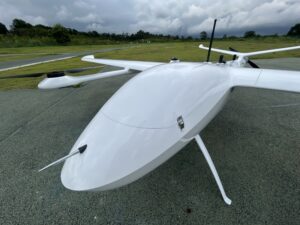
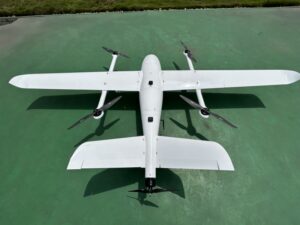
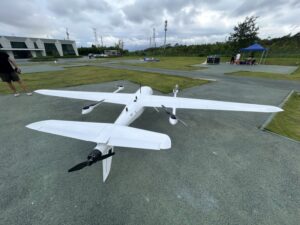
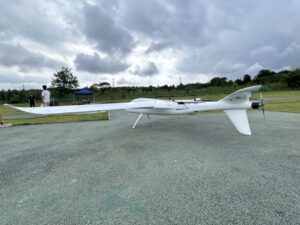
The best Chinese drones for surveying are usually RTK or PPK-enabled mapping drones with high-resolution cameras, mechanical shutters, automated flight planning, and compatibility with photogrammetry software. For forested or complex terrain, LiDAR-equipped drones or VTOL mapping drones may be better.
Can Chinese drones replace traditional land surveyors?
No. Chinese drones do not replace professional surveyors. They are tools that help surveyors collect aerial data faster and more safely. Professional surveyors are still needed for accuracy control, coordinate systems, ground control points, legal boundaries, data validation, and final survey deliverables.
Why are drones useful for power line inspection?
Drones are useful for power line inspection because they can capture detailed images of towers, insulators, conductors, and vegetation without requiring workers to climb structures. Thermal cameras can detect overheating equipment, and LiDAR can help measure vegetation clearance near power lines.
How do Chinese drones help firefighters?
Chinese drones help firefighters by providing aerial views of fires, detecting hot spots with thermal cameras, monitoring fire spread, checking roof conditions, identifying access routes, and supporting post-fire investigation. They improve situational awareness while reducing unnecessary exposure to danger.
Are Chinese drones used for search and rescue?
Yes. Chinese drones are widely used for search and rescue. Thermal cameras, spotlights, zoom cameras, and loudspeakers help teams search large areas, locate people at night, communicate with missing persons, and guide ground rescue teams.
What sensors are commonly used on Chinese drones for professional work?
Common sensors include RGB cameras, zoom cameras, thermal cameras, multispectral sensors, LiDAR units, gas sensors, RTK/PPK GNSS modules, spotlights, loudspeakers, and cargo release devices. The correct sensor depends on the mission.
What are the main advantages of Chinese drones in these industries?
The main advantages include affordability, availability, strong imaging systems, RTK options, broad payload compatibility, automation features, mature supply chains, and complete ecosystems with batteries, controllers, software, and accessories.
What are the main limitations of Chinese drones?
The main limitations include aviation regulations, battery life, weather sensitivity, data security concerns, payload limits, training requirements, and the need for proper data processing. Professional users must build safe and compliant workflows around the drone.
Are Chinese drones suitable for emergency supply delivery?
Some Chinese drones are suitable for small emergency supply delivery, especially in remote, flooded, mountainous, or disaster-affected areas. They can carry medicine, first-aid kits, radios, small tools, or emergency items, depending on payload capacity and regulations.
How do drones improve infrastructure maintenance?
Drones improve infrastructure maintenance by making inspections faster, safer, and more frequent. They help detect defects early, document asset conditions, reduce manual access risks, and provide data for preventive maintenance planning.
Can Chinese drones be used at night?
Yes, many Chinese drones can be used at night if local regulations allow it and the operator has proper training. Thermal cameras, spotlights, navigation lights, and obstacle sensing can support night operations for public safety, search and rescue, and inspection work.