No products in the cart.
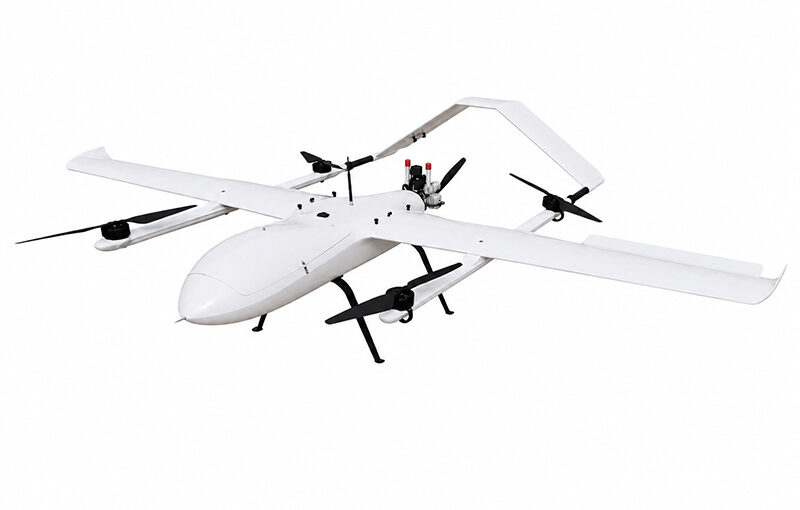
China has become one of the most important countries in the global commercial drone industry. Chinese companies export a wide range of drones, including consumer camera drones, agricultural spraying drones, mapping drones, inspection drones, delivery drones, drone docks, fixed-wing UAVs, VTOL drones, and specialized industrial drone platforms. These products are used internationally in agriculture, logistics, construction, mining, energy, public safety, environmental monitoring, filmmaking, surveying, and industrial automation.
The global popularity of Chinese drones is closely connected to China’s strong electronics manufacturing base, battery supply chain, software development capability, and ability to produce complete drone ecosystems at competitive prices. Chinese drone exporters do not only sell aircraft. Many of them provide integrated systems that include payloads, batteries, chargers, ground stations, cloud platforms, fleet management software, spare parts, and after-sales support.
This article explores four key questions: which Chinese companies export commercial drones, what industries use Chinese drones internationally, how Chinese drones are used in agriculture, and how Chinese drones are used in logistics.
Which Chinese companies export commercial drones?
Chinese companies that export commercial drones include DJI, XAG, JOUAV, EHang, Autel Robotics, MMC UAV, TTA, Foxtech, EFT, Feima Robotics, GDU, Ziyan, Qifei, and many OEM/ODM manufacturers in Shenzhen, Guangzhou, Chengdu, Beijing, Shanghai, Hangzhou, and other Chinese technology hubs. These companies export drones for photography, agriculture, mapping, inspection, delivery, logistics, public safety, and industrial operations.
China’s commercial drone export ecosystem can be divided into several groups. Some companies are internationally recognized brands with complete product lines. Others focus on agricultural drones, industrial drones, fixed-wing platforms, payload integration, delivery drones, drone docks, or OEM/ODM manufacturing for foreign brands.
1. DJI
DJI is one of the most recognized Chinese drone companies in the world. It is especially famous for consumer camera drones, professional aerial photography drones, enterprise inspection drones, mapping drones, agricultural drones, gimbals, cameras, and drone ecosystem products.
DJI’s international influence comes from its ability to make drones that are easy to fly, compact, reliable, and packed with intelligent features. Its consumer and prosumer drones are widely used by photographers, filmmakers, real estate agents, tourism companies, content creators, and small businesses. Its enterprise drones are used by surveyors, construction firms, power utilities, emergency responders, police agencies, firefighters, and industrial inspection teams.
DJI also exports agricultural drone systems through its agriculture product line. These drones are used for crop spraying, fertilizer spreading, orchard operations, field mapping, and smart farming. DJI’s ecosystem advantage includes aircraft, sensors, controllers, batteries, charging stations, software, payloads, and training resources.
2. XAG
XAG is a major Chinese agricultural drone company with strong international activity. It focuses heavily on smart agriculture, crop protection drones, agricultural robots, farm management systems, sensors, and unmanned farming solutions.
XAG drones are used in overseas markets for pesticide spraying, fertilizer spreading, seed spreading, field mapping, crop monitoring, and orchard management. The company is particularly relevant in countries where labor shortages, difficult farmland, high chemical costs, or low mechanization levels create demand for precision agriculture tools.
XAG’s export appeal comes from its specialized focus on agriculture. Instead of selling a general drone adapted for farming, XAG develops agricultural platforms that are designed for field operations, liquid spraying, spreading, battery rotation, terrain following, route planning, and farmer-friendly workflows.
3. JOUAV
JOUAV is known for industrial drones, especially fixed-wing VTOL drones used in surveying, mapping, infrastructure inspection, emergency response, and large-area monitoring. VTOL drones are valuable because they can take off and land vertically while flying efficiently like fixed-wing aircraft.
JOUAV drones are used internationally in industries such as oil and gas, power transmission, mining, environmental monitoring, public safety, road planning, and geospatial surveying. Their products are often selected when users need longer flight endurance, larger area coverage, and stable data collection.
Compared with small multirotor drones, VTOL drones can cover much larger areas per flight. This makes them useful for pipeline inspection, border-area environmental monitoring, land mapping, disaster assessment, and long-distance infrastructure survey work.
4. EHang
EHang is a Chinese company associated with autonomous aerial vehicles and urban air mobility. While it is often discussed in relation to passenger-carrying autonomous aircraft, it also reflects China’s broader drone export and aviation automation capabilities.
EHang’s technology is relevant to autonomous flight, command-and-control systems, aerial mobility, logistics possibilities, emergency response, and smart city air transportation concepts. In the commercial drone context, EHang is important because it represents China’s movement from small drones toward larger autonomous aerial systems.
The company’s international relevance is strongest in discussions about future urban air mobility, autonomous aerial transport, low-altitude economy development, and smart city airspace operations.
5. Autel Robotics
Autel Robotics is another well-known Chinese drone brand with an international presence. It offers consumer, prosumer, and enterprise drones used for aerial photography, inspection, public safety, mapping, and commercial imaging.
Autel drones are often considered alternatives in markets where buyers want high-quality camera drones, enterprise payloads, thermal imaging, or inspection capabilities. The company serves photographers, professional operators, law enforcement users, industrial teams, and commercial drone service providers.
Autel’s competitiveness comes from camera performance, flight features, portability, enterprise payload options, and international distribution.
6. MMC UAV
MMC UAV is a Chinese industrial drone manufacturer that focuses on commercial and professional drone systems. Its products include industrial multirotor drones, hydrogen fuel-cell drones, inspection drones, mapping drones, and specialized payload platforms.
MMC UAV has targeted industries such as power line inspection, oil and gas, security, emergency response, mapping, and industrial monitoring. Some of its systems are designed for longer endurance and heavier payloads than ordinary commercial drones.
The company is part of the broader Chinese industrial drone export market, where buyers need rugged systems for professional missions rather than simple camera drones.
7. TTA
TTA is known for agricultural drones and industrial UAV systems. It exports drones for crop spraying, seed spreading, fertilizer application, and other agriculture-related tasks. TTA also offers drone frames, components, and customized drone systems.
TTA’s international customers may include agricultural service providers, distributors, farming cooperatives, drone spraying businesses, and companies looking for customized agricultural UAV solutions.
The company reflects a common pattern in China’s drone export sector: some manufacturers focus on complete branded products, while others provide customizable platforms for regional distributors or service companies.
8. Foxtech
Foxtech is a Chinese drone supplier known for industrial UAV platforms, mapping drones, VTOL drones, heavy-lift drones, payloads, ground stations, and drone components. It exports to professional users who need specialized systems for mapping, inspection, delivery trials, surveillance, or industrial applications.
Foxtech is especially relevant for buyers who need customization. Many international drone integrators, research teams, and industrial users look for UAV frames, payload integration, long-endurance platforms, and mission-specific configurations.
9. EFT
EFT is widely associated with agricultural drone frames, spraying systems, components, and UAV solutions. It is important in the supply chain because many agricultural drone manufacturers and local brands may use Chinese frames, pumps, nozzles, tanks, and parts.
EFT-style modular agriculture drone systems are exported to markets where local distributors want to assemble, brand, or customize spraying drones. This is especially common in emerging markets where agricultural drone adoption is growing but buyers need lower-cost or locally supported solutions.
10. Feima Robotics
Feima Robotics focuses on surveying and mapping drones. Its products are used for geospatial data collection, land survey, 3D modeling, photogrammetry, and engineering applications.
International users of Feima-type mapping drones may include survey companies, construction firms, land management agencies, mining companies, and geospatial service providers. These users need accurate data collection, stable flight, high-resolution imagery, and mapping workflow support.
11. GDU
GDU is another Chinese drone company that has offered foldable drones, industrial drones, and security or inspection solutions. It has targeted professional and enterprise markets, including public safety, security, mapping, and inspection.
GDU reflects the diversity of Chinese drone companies beyond the most famous brands. Many Chinese manufacturers compete in specialized segments and export through dealers, distributors, online channels, and regional partnerships.
12. Ziyan
Ziyan is associated with unmanned helicopter systems and industrial UAV platforms. Unlike small multirotor drones, unmanned helicopters can offer different advantages in payload capacity, endurance, wind resistance, and mission flexibility.
Such systems may be used for inspection, security, emergency response, mapping, and special industrial tasks. International buyers may include government agencies, infrastructure operators, research institutions, and industrial users.
13. Qifei and other agricultural drone companies
Qifei and other Chinese agricultural drone companies export crop protection drones, spraying systems, spreaders, and farm drone solutions. The agricultural drone export market includes many manufacturers because demand is large and application requirements vary by country.
Some companies focus on large tanks and high-capacity spraying. Others focus on affordability, easy repair, modular design, or local distributor support. This diversity helps Chinese agricultural drone exporters serve different farm sizes, crop types, and price levels.
14. Chinese OEM and ODM drone manufacturers
In addition to recognizable brands, many Chinese factories provide OEM and ODM drone manufacturing services. These companies may produce drones, airframes, controllers, payload systems, batteries, chargers, and components for foreign brands.
OEM and ODM services may include:
- Product design
- Airframe manufacturing
- Electronics assembly
- Firmware development
- Payload integration
- Custom branding
- Packaging design
- Certification assistance
- Mass production
- Spare-parts supply
- After-sales technical support
This means that some drones sold under non-Chinese brands may still rely on Chinese engineering, Chinese components, or Chinese assembly. China’s role in the global commercial drone market is therefore larger than the visible brand landscape.
Table: Major Chinese commercial drone exporters and their main product areas
| Chinese Company | Main Drone Categories | Common International Applications | Typical Buyers |
|---|---|---|---|
| DJI | Camera drones, enterprise drones, agricultural drones, inspection drones | Photography, mapping, public safety, agriculture, inspection | Creators, enterprises, farms, agencies |
| XAG | Agricultural drones, farm robots, smart agriculture systems | Crop spraying, spreading, precision agriculture | Farmers, cooperatives, agricultural service providers |
| JOUAV | VTOL drones, fixed-wing industrial drones | Mapping, pipeline inspection, emergency response, monitoring | Surveyors, utilities, governments, energy firms |
| EHang | Autonomous aerial vehicles, urban air mobility systems | Autonomous transport, smart city aviation, logistics concepts | Governments, mobility operators, research partners |
| Autel Robotics | Camera drones, enterprise drones, thermal drones | Photography, inspection, public safety, mapping | Drone operators, agencies, inspection teams |
| MMC UAV | Industrial drones, hydrogen drones, inspection platforms | Power inspection, security, mapping, oil and gas | Utilities, industrial users, public safety teams |
| TTA | Agricultural drones, spraying systems, UAV platforms | Crop spraying, fertilizer spreading, seed spreading | Agricultural distributors, farms, service providers |
| Foxtech | VTOL drones, heavy-lift drones, payloads, components | Mapping, delivery trials, inspection, custom UAV projects | Integrators, industrial users, research teams |
| EFT | Agricultural drone frames, spraying systems, components | Agricultural drone assembly, spraying, spreading | OEMs, distributors, agriculture drone builders |
| Feima Robotics | Mapping drones, survey drones | Surveying, land mapping, 3D modeling | Survey companies, construction firms, geospatial teams |
| GDU | Foldable drones, enterprise drones, inspection systems | Security, public safety, mapping, inspection | Agencies, industrial users, drone service companies |
| Ziyan | Unmanned helicopters, industrial UAVs | Inspection, monitoring, emergency response | Government users, infrastructure operators, industrial buyers |
What industries use Chinese drones internationally?
Industries that use Chinese drones internationally include agriculture, construction, surveying, mining, energy, utilities, oil and gas, logistics, real estate, media production, public safety, firefighting, environmental protection, forestry, telecommunications, insurance, security, and infrastructure management. Chinese drones are used because they help collect data, reduce labor, improve safety, lower operating costs, and automate field operations.
Chinese drones are not limited to hobby or photography use. In many countries, they have become important business tools. Their value depends on the industry, but the common theme is that drones can perform aerial work faster, safer, and more affordably than many traditional methods.
1. Agriculture
Agriculture is one of the most important international markets for Chinese drones. Farmers and agricultural service providers use Chinese drones for spraying pesticides, spreading fertilizer, sowing seeds, mapping fields, monitoring crop health, and managing orchards.
Agricultural drones are especially valuable in areas with labor shortages, difficult terrain, fragmented farmland, or high demand for precision farming. Chinese agricultural drones are often exported as complete systems, including batteries, chargers, tanks, nozzles, spreaders, remote controllers, RTK modules, and mission-planning software.
2. Construction
Construction companies use Chinese drones for progress monitoring, site mapping, safety inspection, roof inspection, earthwork measurement, and project documentation. A drone can capture updated images of a construction site weekly or even daily.
This helps project managers compare actual progress with planned schedules. It also helps investors, engineers, and contractors communicate more clearly. Drone mapping can support volume calculations, site logistics planning, and dispute resolution.
3. Surveying and mapping
Surveying companies use Chinese drones to collect aerial data for maps, 3D models, digital elevation models, orthomosaics, land boundaries, and engineering surveys. Drones equipped with RTK, PPK, high-resolution cameras, or LiDAR sensors can improve productivity and reduce fieldwork time.
Chinese mapping drones are used internationally by land surveyors, geospatial firms, government mapping departments, mining companies, construction firms, and infrastructure planners.
4. Mining and quarrying
Mining companies use drones for open-pit mapping, stockpile volume measurement, haul road monitoring, slope stability observation, blast planning, environmental compliance, and equipment inspection.
Drones reduce the need for workers to enter dangerous areas. They can also produce frequent site updates, which helps managers track production, plan operations, and improve safety.
5. Energy and utilities
Energy companies use Chinese drones for power line inspection, wind turbine inspection, solar farm inspection, pipeline monitoring, substation inspection, and oil and gas facility observation.
Thermal cameras can detect hot spots in solar panels or electrical equipment. Zoom cameras can identify damage on towers, insulators, wind turbine blades, or pipelines. Drones reduce the need for climbing, rope access, helicopters, and shutdowns.
6. Public safety and emergency response
Fire departments, police agencies, rescue teams, and emergency management offices use Chinese drones for situational awareness. Drones can provide aerial views during fires, floods, earthquakes, landslides, traffic accidents, hazardous material incidents, and search-and-rescue missions.
Common payloads include thermal cameras, zoom cameras, searchlights, loudspeakers, mapping cameras, and delivery devices for small emergency supplies.
7. Media, entertainment, and real estate
Chinese camera drones are widely used by filmmakers, YouTubers, photographers, tourism companies, event organizers, and real estate agencies. They make aerial photography accessible without helicopters or cranes.
Real estate professionals use drones to show buildings, land, neighborhoods, resorts, farms, and commercial properties. Tourism companies use drone footage to promote scenic destinations. Event companies use drones for aerial coverage of outdoor activities.
8. Environmental protection and forestry
Environmental agencies, conservation organizations, and forestry departments use Chinese drones for forest monitoring, wildlife observation, water sampling, illegal logging detection, coastline monitoring, wetland mapping, and pollution inspection.
Drones can collect data more frequently than manned aircraft and can access remote areas with lower cost. Multispectral and thermal sensors can provide additional environmental insights.
9. Telecommunications
Telecom companies use drones to inspect towers, antennas, cables, and rooftop installations. Drones reduce the need for technicians to climb towers for visual inspection. They also help document tower conditions before and after maintenance work.
10. Insurance
Insurance companies use drones for property inspection, damage assessment, disaster claims, roof inspection, agricultural loss assessment, and risk evaluation. After storms, floods, fires, or earthquakes, drones can help assess damage quickly and safely.
11. Security and facility management
Industrial parks, warehouses, ports, campuses, construction sites, and critical facilities use drones for patrol, perimeter monitoring, night surveillance, and emergency response. Drone docks and autonomous drone systems are making this use case more scalable.
Table: International industries using Chinese drones
| Industry | Typical Drone Type | Main Uses | Key Benefits |
|---|---|---|---|
| Agriculture | Spraying drones, mapping drones | Spraying, spreading, crop monitoring | Labor savings, precision application, faster fieldwork |
| Construction | Mapping drones, camera drones | Progress tracking, site mapping, inspection | Better documentation, improved project management |
| Surveying | RTK drones, VTOL drones, LiDAR drones | Mapping, 3D models, terrain data | Faster surveys, safer data collection |
| Mining | Mapping drones, LiDAR drones | Stockpile measurement, slope monitoring | Improved safety, accurate volume data |
| Energy | Inspection drones, thermal drones | Power lines, solar farms, wind turbines | Reduced risk, faster maintenance planning |
| Oil and gas | Industrial drones, gas sensor drones | Pipeline monitoring, facility inspection | Safer inspections, remote site visibility |
| Public safety | Thermal drones, loudspeaker drones | Rescue, firefighting, disaster response | Real-time awareness, safer emergency operations |
| Logistics | Cargo drones, VTOL drones | Medical delivery, remote delivery, site transport | Faster transport in difficult areas |
| Media | Camera drones | Filming, tourism, real estate videos | Low-cost aerial visuals |
| Environmental protection | Multispectral drones, sampling drones | Forestry, wildlife, pollution monitoring | Frequent and affordable environmental data |
| Telecommunications | Inspection drones | Tower and antenna inspection | Less climbing, faster reporting |
| Security | Drone docks, thermal drones | Patrol, perimeter monitoring | Automated surveillance, rapid response |
How are Chinese drones used in agriculture?
Chinese drones are used in agriculture for pesticide spraying, fertilizer spreading, seed spreading, crop monitoring, field mapping, orchard management, pest control, disease detection, plant counting, irrigation assessment, variable-rate application, and farm data collection. Agricultural drones help farmers reduce labor, improve efficiency, apply chemicals more precisely, and manage crops with better aerial data.
Agriculture is one of the clearest examples of how drones can provide direct economic value. Unlike some drone uses that are mainly about photography or observation, agricultural drones perform physical tasks in the field. They spray, spread, map, monitor, and help farmers make decisions.
1. Pesticide and herbicide spraying
The most common use of Chinese agricultural drones is crop spraying. A spraying drone carries a liquid tank and uses nozzles to apply pesticides, herbicides, or other crop protection products over a field.
Compared with manual spraying, drones can reduce human contact with chemicals. Compared with tractors, drones can avoid crop damage caused by wheels and can operate in wet, muddy, hilly, or fragmented fields. Compared with manned aircraft, drones are more suitable for smaller farms and lower-altitude precision spraying.
Chinese spraying drones often include:
- Liquid tank
- Pump system
- Atomizing nozzles
- Flow control
- Terrain-following radar
- Obstacle avoidance
- RTK positioning
- Route planning software
- Automatic return function
- Replaceable batteries
These features allow farmers to plan routes, spray more evenly, and cover fields efficiently.
2. Fertilizer spreading
Many Chinese agricultural drones can be equipped with spreading systems. These systems can distribute granular fertilizer, seeds, feed, or other materials.
Fertilizer spreading drones are useful when ground machines cannot enter fields easily. For example, fields may be too wet after rain, crops may be too tall, or terrain may be uneven. Drones can fly over the field and spread materials from above.
This can help farmers apply fertilizer at the correct timing, which is important for crop growth. In some cases, drones can also support variable-rate spreading when combined with field maps and prescription data.
3. Seed spreading and replanting
Some Chinese drones are used for seed spreading. This is useful for rice, grassland restoration, cover crops, forestry projects, and replanting in areas that are hard to access.
Seed spreading by drone is not suitable for every crop, but it can be valuable in specific situations. For example, drones may help spread seeds over wet fields, mountainous areas, or large restoration zones where manual work would be slow.
4. Crop monitoring and field scouting
Camera drones and multispectral drones are used to monitor crop growth. They can identify patterns that may not be visible from ground level.
Farmers can use drone imagery to detect:
- Poor germination
- Pest damage
- Disease stress
- Water stress
- Nutrient deficiency
- Weed pressure
- Flood damage
- Drought stress
- Uneven growth
- Lodging after storms
Drones allow farmers to inspect fields quickly. Instead of walking through large fields, a farmer or service provider can fly a drone and review images from above.
5. Mapping and farm planning
Chinese mapping drones can produce field maps, boundary maps, elevation models, and crop condition maps. These maps help farmers plan irrigation, drainage, planting, spraying, and harvesting.
Mapping is especially useful for large farms, plantations, orchards, and farms with complex terrain. It can also support government agricultural programs, crop insurance, land registration, and farm management platforms.
6. Orchard management
Orchards are challenging for traditional spraying because trees have height, canopy density, and irregular shapes. Chinese agricultural drones are used in orchards to spray fruit trees, monitor canopy health, and assess plant conditions.
Drone spraying in orchards requires strong flight stability, obstacle sensing, adjustable spray patterns, and careful route planning. Some systems are designed to handle slopes, terraces, and tree rows.
Common orchard applications include:
- Apple orchards
- Citrus orchards
- Mango orchards
- Olive groves
- Tea plantations
- Vineyards
- Nut orchards
7. Rice farming
Rice farming is a major application for agricultural drones because rice fields are often wet and difficult for ground machinery. Drones can spray pesticides, apply fertilizer, and spread seeds without damaging the field surface.
In many rice-growing countries, agricultural drones help reduce manual labor and improve treatment speed. This is especially valuable when pest or disease outbreaks require rapid action.
8. Plantation agriculture
Chinese drones are used in plantations such as palm oil, sugarcane, banana, tea, coffee, and rubber. These crops may cover large areas or difficult terrain. Drones help with spraying, mapping, monitoring, and field logistics.
In plantation settings, drones may be operated by trained service teams rather than individual farmers. This allows professional drone operators to serve large agricultural estates.
9. Precision agriculture and variable-rate application
Chinese agricultural drones are increasingly part of precision agriculture systems. The idea is to apply the right amount of input in the right place at the right time.
A farm may use mapping drones or sensors to identify crop stress. Then a spraying or spreading drone may apply treatment only where needed. This can reduce chemical waste, lower input costs, and improve environmental performance.
Precision agriculture workflows may include:
- Field data collection
- Crop stress analysis
- Prescription map creation
- Variable-rate spraying or spreading
- Post-treatment monitoring
- Yield and performance evaluation
10. Agricultural drone service businesses
In many overseas markets, farmers do not buy drones directly. Instead, service providers buy Chinese agricultural drones and offer spraying or mapping services.
This model is important because drones require training, maintenance, batteries, spare parts, and operational knowledge. A service provider can spread the cost across many customers and help small farmers access drone technology.
Agricultural drone service businesses may charge by hectare, acre, field, hour, or application type. They may also provide seasonal contracts for crop protection.
Table: How Chinese drones are used in agriculture
| Agricultural Use | Drone Equipment Needed | Typical Crops or Settings | Main Benefit |
|---|---|---|---|
| Pesticide spraying | Spraying tank, pump, nozzles, RTK | Rice, wheat, corn, cotton, vegetables | Faster spraying and reduced chemical exposure |
| Herbicide application | Precision spraying system | Row crops, plantations, field crops | Better weed control and labor savings |
| Fertilizer spreading | Granular spreader | Rice, pasture, grain crops, orchards | Timely nutrient application |
| Seed spreading | Spreader system | Rice, grassland, cover crops, restoration areas | Faster seeding in difficult terrain |
| Crop monitoring | RGB camera, multispectral sensor | Large farms, orchards, plantations | Early detection of crop stress |
| Field mapping | RTK drone, mapping camera | Farms, plantations, land management | Better planning and digital farm records |
| Orchard spraying | Spraying drone with obstacle sensing | Fruit trees, tea, vineyards | Access to slopes and dense tree rows |
| Irrigation assessment | Camera or thermal sensor | Dry regions, large farms | Detect water stress and uneven irrigation |
| Pest detection | Imaging drone, scouting workflow | Cotton, rice, vegetables, orchards | Faster pest response |
| Variable-rate application | Mapping software, prescription data | Precision agriculture farms | Lower input waste and better targeting |
How are Chinese drones used in logistics?
Chinese drones are used in logistics for medical supply delivery, laboratory sample transport, remote village delivery, island delivery, mountain logistics, emergency supply drops, industrial site transport, offshore support, warehouse inventory, last-mile delivery trials, and low-altitude cargo route testing. Logistics drones can reduce delivery time in hard-to-reach areas, support urgent transport, and create new delivery models where roads are slow, expensive, or unavailable.
Logistics is one of the most promising but also most regulated drone application areas. Unlike agricultural spraying or aerial photography, drone logistics requires route approval, airspace management, safety systems, payload protection, landing infrastructure, and reliable operational procedures.
Chinese companies are active in this field because China has strong drone manufacturing, fast-growing low-altitude economy policies, advanced battery supply chains, and large domestic logistics demand. Internationally, Chinese logistics drones are used mostly in specialized scenarios rather than universal parcel delivery.
1. Medical supply delivery
Medical logistics is one of the strongest use cases for drone delivery. Drones can transport urgent medical items faster than road vehicles in certain environments.
Possible medical drone cargo includes:
- Blood samples
- Vaccines
- Medicines
- Diagnostic samples
- Test kits
- Emergency supplies
- Small medical devices
- Antivenom
- First-aid materials
In remote or congested areas, drones can reduce delivery time. For example, a medical sample that would take hours by road may be transported more quickly by direct aerial route, depending on distance, weather, and regulations.
Chinese logistics drones can support this use case through cargo boxes, temperature-controlled containers, autonomous route planning, precision landing, and remote monitoring.
2. Remote village and rural delivery
In mountainous regions, islands, forests, and rural villages, road transport can be slow or costly. Drones can provide point-to-point delivery for small packages, medicines, documents, tools, or emergency items.
This does not mean drones replace all delivery vehicles. Instead, they can serve high-value or urgent routes where traditional transport is inefficient.
Remote delivery drones may be useful when:
- Roads are poor
- Villages are isolated
- Terrain is mountainous
- Delivery volume is small
- Items are urgent
- Weather allows safe flying
- Landing sites are available
- Local authorities approve the route
3. Island and coastal logistics
Drone delivery can help connect islands, coastal villages, offshore facilities, and ships near shore. Boats may be slow, expensive, or dependent on tides and docking conditions. A drone can fly directly over water if payload weight and range are suitable.
Possible cargo includes documents, medical items, spare parts, food samples, tools, and emergency supplies.
For coastal logistics, drones need strong navigation, weather resistance, return-to-home safety, and reliable communication links.
4. Mountain logistics
Mountain logistics is a strong use case for drones because roads may be winding, dangerous, or unavailable. Drones can fly more direct routes across valleys and ridges.
Chinese cargo drones or VTOL drones may be used for:
- Emergency supplies
- Medicine delivery
- Tourism site logistics
- Mountain village support
- Disaster relief
- Equipment transport for field teams
- Communication equipment delivery
Mountain delivery requires careful planning because wind, altitude, temperature, and landing areas can affect flight safety.
5. Emergency supply drops
Drones can deliver emergency supplies after disasters such as floods, earthquakes, landslides, wildfires, storms, and road closures. When roads are blocked, drones may be able to reach affected people faster.
Emergency drone cargo may include:
- Food
- Water purification tablets
- Medicine
- Radios
- Flashlights
- First-aid kits
- Ropes
- Thermal blankets
- Communication devices
Public safety agencies and humanitarian organizations may use drones not only to deliver supplies but also to assess damage and locate people.
6. Industrial site logistics
Large industrial sites such as mines, ports, factories, oilfields, construction megaprojects, and energy facilities may use drones to move small tools, documents, samples, sensors, and spare parts.
This type of logistics can be easier to implement than public city delivery because flights may occur within a controlled area. A mining company, for example, may operate drones inside its own site to move parts or samples between locations.
Industrial logistics drones can reduce vehicle trips, improve response time, and support remote operations.
7. Offshore platform and ship support
Offshore oil platforms, wind farms, ships, and marine facilities may use drones to deliver small cargo from shore or between nearby assets. Boats and helicopters are expensive, so drones may be useful for light, urgent deliveries.
Cargo may include:
- Documents
- Small tools
- Medical supplies
- Electronic parts
- Inspection devices
- Samples
- Emergency items
However, offshore drone logistics requires strong safety systems because wind, saltwater, landing movement, and communication conditions are challenging.
8. Warehouse inventory and internal logistics
Logistics drones are not only used outdoors. Some drones are used inside warehouses for inventory scanning, barcode reading, stock checking, and high-shelf inspection.
Chinese drones or drone components can be integrated into warehouse automation systems. Indoor drones may help companies reduce manual scanning work and improve inventory accuracy.
Warehouse drones typically require:
- Indoor positioning
- Obstacle avoidance
- Barcode or RFID scanning
- Autonomous routes
- Safety cages or lightweight design
- Warehouse management system integration
9. Last-mile delivery trials
Last-mile parcel delivery is one of the most discussed drone logistics applications, but it is difficult to scale. Chinese drones may be used in trials for small parcel delivery, food delivery, campus delivery, or controlled-route delivery.
The challenge is not only drone technology. The challenge includes regulation, landing safety, noise, privacy, weather, battery life, route density, cost per delivery, and public acceptance.
For this reason, drone last-mile delivery is more likely to grow first in controlled areas such as campuses, industrial parks, rural routes, medical networks, resorts, and planned low-altitude logistics corridors.
10. Cargo drone and VTOL platform development
Chinese logistics drones may use different designs:
- Multirotor cargo drones
- Fixed-wing drones
- VTOL drones
- Heavy-lift drones
- Autonomous helicopters
- Hybrid electric drones
- Drone-and-dock systems
Multirotor drones are good for vertical takeoff and precise landing but usually have shorter range. Fixed-wing drones are efficient for longer routes but need launch and landing infrastructure. VTOL drones combine vertical takeoff with efficient forward flight, making them attractive for logistics routes where runways are unavailable.
11. Requirements for successful drone logistics
Drone logistics requires more than aircraft. A complete logistics drone system may include:
- Cargo box
- Payload release or landing system
- Ground control station
- Fleet management platform
- Weather monitoring
- Route planning software
- Remote pilot supervision
- Battery charging station
- Maintenance process
- Airspace authorization
- Safety procedures
- Insurance
- Tracking system
- Customer notification system
Chinese suppliers that can provide complete systems will be more competitive than suppliers that only sell aircraft.
Table: How Chinese drones are used in logistics
| Logistics Use | Suitable Drone Type | Typical Cargo | Main Advantage | Key Challenge |
|---|---|---|---|---|
| Medical delivery | Cargo drone, VTOL drone | Medicine, samples, vaccines | Faster urgent transport | Temperature control and regulation |
| Rural delivery | Multirotor or VTOL drone | Small parcels, documents, medicine | Access to remote areas | Route approval and landing safety |
| Island delivery | VTOL or cargo drone | Supplies, tools, medical items | Avoids slow boat routes | Wind and over-water safety |
| Mountain logistics | VTOL drone, heavy-lift drone | Emergency supplies, tools | Direct route over difficult terrain | Weather and altitude |
| Disaster relief | Cargo drone, public safety drone | Food, medicine, first-aid kits | Fast response when roads are blocked | Payload limits and coordination |
| Industrial site transport | Multirotor cargo drone | Tools, samples, spare parts | Reduces vehicle trips | Site safety procedures |
| Offshore support | Cargo drone, VTOL drone | Parts, documents, medical items | Lower cost than boats or helicopters | Landing and wind conditions |
| Warehouse inventory | Indoor drone | Barcode/RFID data | Faster stock checking | Indoor navigation accuracy |
| Last-mile trials | Small cargo drone | Parcels, food, retail items | Faster local delivery in selected areas | Regulation, cost, public acceptance |
| Low-altitude cargo routes | VTOL drone, autonomous cargo drone | Regular cargo loads | Scalable route-based delivery | Airspace management |
Key advantages of Chinese commercial drones in international markets
Chinese commercial drones are used internationally because they offer a combination of affordability, performance, availability, customization, and complete-system integration. Many overseas buyers choose Chinese drones not simply because they are cheaper, but because they are practical and widely supported.
1. Competitive pricing
Chinese drones often provide strong performance at attractive prices. This is important for farmers, small businesses, surveyors, and service providers who must calculate return on investment.
2. Broad product selection
China exports drones for many needs: photography, spraying, mapping, inspection, delivery, security, environmental monitoring, and industrial automation. Buyers can choose from many platforms and price levels.
3. Strong component ecosystem
Chinese manufacturers have access to motors, batteries, sensors, gimbals, cameras, controllers, frames, and communication systems. This supports fast production and customization.
4. Complete solutions
Many Chinese drone exporters provide not only aircraft but also batteries, chargers, payloads, software, spare parts, training, and technical support. This reduces integration difficulty for overseas buyers.
5. Fast innovation
Chinese drone companies can update products quickly. Improvements in batteries, cameras, sensors, automation, obstacle avoidance, and AI-assisted workflows are rapidly integrated into new models.
6. OEM and ODM flexibility
Foreign distributors and brands can work with Chinese factories to customize drones for local markets. This strengthens China’s role in the global drone supply chain.
Challenges for Chinese drone exporters
Although Chinese drones are widely used internationally, exporters face several challenges.
1. Regulation
Each country has different aviation rules. Drone registration, pilot licensing, flight altitude limits, remote ID, beyond-visual-line-of-sight approval, radio certification, and import rules can affect sales and operations.
2. Data security concerns
Some buyers, especially government agencies and critical infrastructure operators, may worry about data storage, cloud systems, software updates, and cybersecurity. Exporters may need local data modes, offline operation, transparent documentation, and enterprise security controls.
3. After-sales service
Commercial drone buyers need repairs, spare parts, training, and technical support. Exporters with strong local service partners are more likely to succeed.
4. Export controls and dual-use concerns
Some drone technologies can be considered dual-use. Long-range drones, thermal cameras, heavy-lift systems, and autonomous platforms may face export control scrutiny.
5. Local competition
Chinese companies compete with drone manufacturers from the United States, Europe, Japan, Korea, Turkey, Israel, and other regions. In some markets, local suppliers may have advantages in government procurement or security-sensitive projects.
Future outlook for Chinese commercial drone exports
The future of Chinese commercial drone exports is likely to remain strong, especially in agriculture, mapping, industrial inspection, public safety, logistics, and autonomous drone systems. However, the market will become more regulated and more specialized.
Agricultural drones will continue to grow because farms need labor-saving equipment and precision application tools. Logistics drones will expand gradually in medical delivery, remote delivery, island routes, industrial sites, and controlled low-altitude corridors. Drone docks will become more important for automated inspection and security. Industrial drone buyers will increasingly demand software, AI analysis, data management, and integration with enterprise systems.
Chinese companies that combine reliable aircraft, strong software, regulatory support, local service networks, and transparent data practices will be best positioned in international markets.
FAQ
Which Chinese companies export commercial drones?
Chinese companies that export commercial drones include DJI, XAG, JOUAV, EHang, Autel Robotics, MMC UAV, TTA, Foxtech, EFT, Feima Robotics, GDU, Ziyan, Qifei, and many OEM/ODM manufacturers. These companies export drones for photography, agriculture, mapping, inspection, logistics, public safety, and industrial applications.
What industries use Chinese drones internationally?
Chinese drones are used internationally in agriculture, construction, surveying, mining, energy, utilities, oil and gas, logistics, real estate, media production, public safety, firefighting, environmental monitoring, telecommunications, insurance, security, and infrastructure management.
How are Chinese drones used in agriculture?
Chinese drones are used in agriculture for pesticide spraying, herbicide application, fertilizer spreading, seed spreading, crop monitoring, field mapping, orchard management, pest detection, irrigation assessment, and variable-rate application. They help reduce labor, improve precision, and increase fieldwork efficiency.
How are Chinese drones used in logistics?
Chinese drones are used in logistics for medical delivery, laboratory sample transport, rural delivery, island delivery, mountain logistics, emergency supply drops, industrial site transport, offshore support, warehouse inventory, and last-mile delivery trials. They are most useful where roads are slow, expensive, blocked, or unavailable.
Why are Chinese agricultural drones popular overseas?
Chinese agricultural drones are popular overseas because they offer complete systems for spraying, spreading, mapping, and farm management. They are useful in markets with labor shortages, difficult terrain, fragmented farmland, and growing demand for precision agriculture.
Are Chinese drones used only for consumer photography?
No. Although Chinese camera drones are popular for photography and videography, Chinese drones are also widely used in agriculture, surveying, construction, mining, power inspection, solar farm inspection, public safety, environmental monitoring, logistics, and industrial automation.
What makes Chinese drone companies competitive?
Chinese drone companies are competitive because they benefit from strong electronics supply chains, advanced battery production, large-scale manufacturing, fast product development, broad component availability, OEM/ODM flexibility, competitive pricing, and complete hardware-software ecosystems.
Are Chinese drones used in medical logistics?
Yes. Chinese logistics drones can be used for medical supply delivery, laboratory sample transport, medicine delivery, emergency medical items, and remote healthcare logistics. This use case is especially promising in rural, mountainous, island, or disaster-affected areas.
What are the main challenges for Chinese drone exports?
The main challenges include aviation regulations, import certification, data security concerns, export controls, after-sales service requirements, local competition, and restrictions in government or critical-infrastructure markets.
Will Chinese commercial drone exports continue to grow?
Chinese commercial drone exports are likely to continue growing, especially in agriculture, industrial inspection, mapping, drone docks, public safety, and specialized logistics. Future growth will depend on regulation, compliance, data security, local service, and the ability to provide complete solutions.